Tracing Regulatory Influences on Transaction Security Protocols Within Portable Live Table Game Environments
Bianca Sullivan · Aug 22, 2026
Tracing Regulatory Influences on Transaction Security Protocols Within Portable Live Table Game Environments
Regulatory frameworks shape transaction security protocols in portable live table game environments through layered requirements that address encryption standards, authentication methods, and data handling procedures. These environments involve mobile applications delivering live dealer experiences for games such as blackjack and roulette, where real-time financial transactions occur across international networks. Governments and industry bodies establish rules that operators must implement to protect user funds and maintain system integrity while supporting cross-border operations.
Key Regulatory Drivers and Their Reach
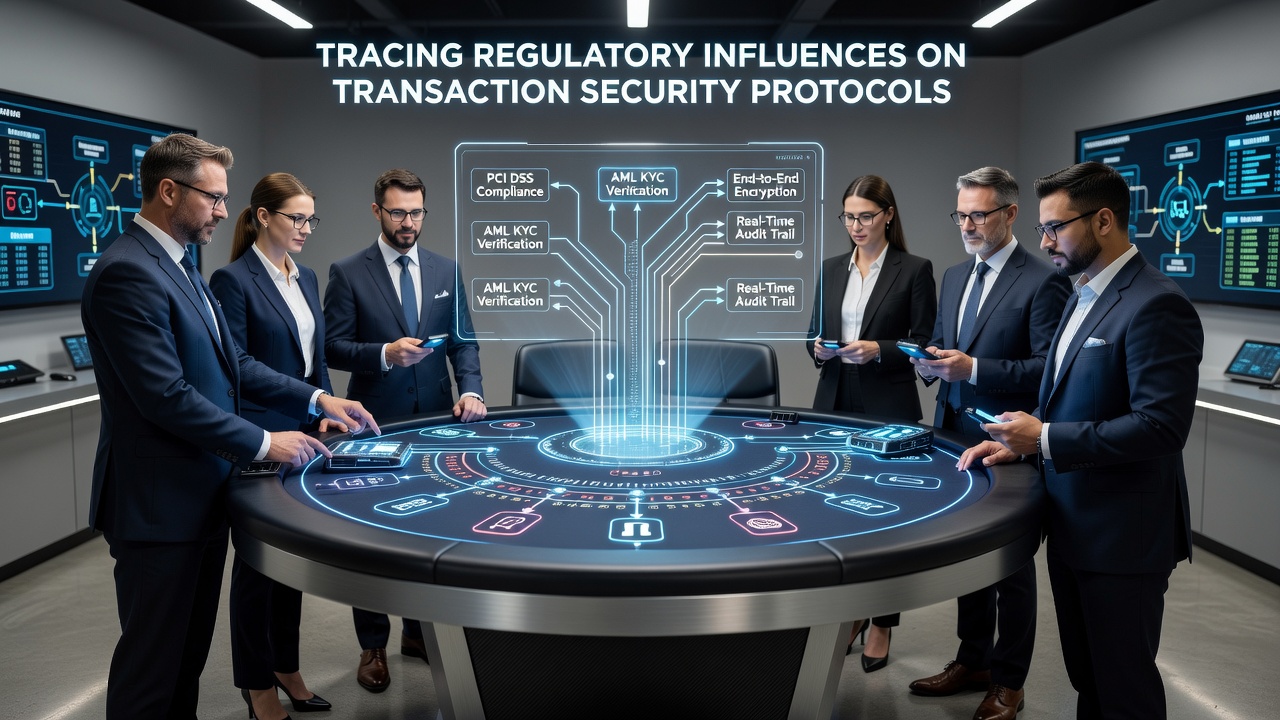
European Union directives on digital payments and data protection set benchmarks for transaction security that influence portable gaming platforms worldwide. The General Data Protection Regulation requires specific safeguards for personal and financial data processed during live table sessions, while payment service rules mandate strong customer authentication for every transfer. Operators integrate tokenization and end-to-end encryption to meet these standards, and similar provisions appear in frameworks from other regions. In Canada, provincial authorities coordinate with federal cybersecurity guidelines to enforce comparable measures on mobile gaming operators licensed within their jurisdictions.
Data from industry reports indicate that compliance with these overlapping rules has driven adoption of multi-factor verification systems in live dealer applications. One study released by a European research consortium found that platforms using biometric authentication alongside device fingerprinting reduced unauthorized access attempts by measurable margins during high-volume periods. These protocols extend to live table environments where players place bets in real time, requiring instantaneous validation without disrupting gameplay flow.
Security Protocol Adaptations in Mobile Settings
Portable devices introduce unique challenges because they operate on variable networks and store temporary session data. Regulators respond by requiring continuous monitoring tools that detect anomalies during live table transactions, such as sudden location shifts or unusual bet patterns. Protocols often incorporate session timeouts and encrypted channels that refresh at regular intervals to prevent interception. Observers note that these adaptations align with broader cybersecurity standards promoted by organizations like the National Institute of Standards and Technology, which publishes guidelines referenced across multiple licensing regimes.
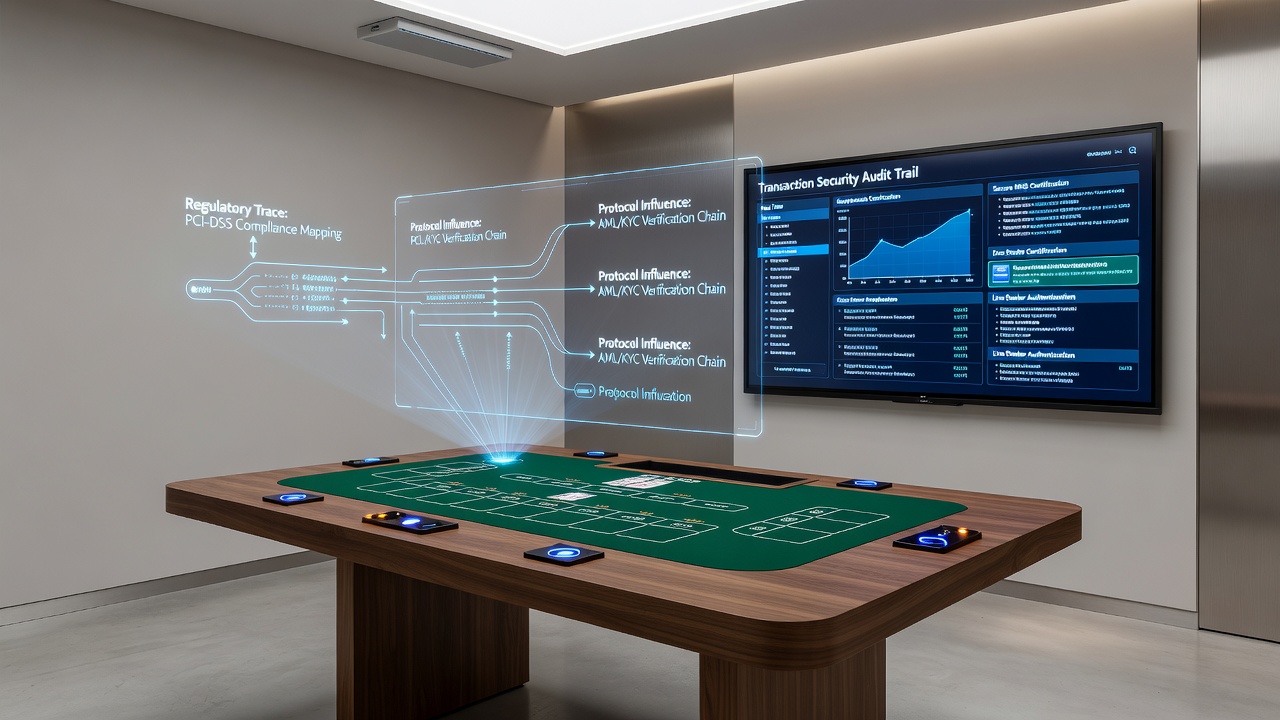
August 2026 marks the scheduled rollout of updated digital identity verification requirements in several jurisdictions, which will affect how portable live table platforms handle account funding. These changes emphasize decentralized verification methods that reduce reliance on centralized databases while preserving audit trails for regulatory review. Operators have begun testing these approaches in pilot programs to ensure seamless integration with existing live dealer interfaces.
Regional Variations and Industry Responses
Australian regulatory bodies apply risk-based assessments that tie transaction limits to player verification levels in mobile gaming settings. This approach differs from certain North American models that emphasize uniform encryption thresholds regardless of transaction size. Industry associations such as the European Gaming and Betting Association compile comparative analyses showing how these differences affect technology investment decisions among operators. European Commission digital finance documentation outlines core principles that many operators reference when designing cross-compatible security layers for live table products.
Case examples illustrate the practical outcomes. One operator in a regulated European market adjusted its mobile live roulette system after new anti-money laundering directives took effect, implementing automated alerts that flag high-velocity transactions across multiple tables. Researchers tracking similar implementations report improved detection rates without significant increases in processing delays. Those who study these shifts often highlight how portable environments demand lighter-weight yet equally robust protocols compared with desktop counterparts.
Future Trajectories and Compliance Patterns
Emerging standards around quantum-resistant encryption are beginning to appear in regulatory consultations focused on long-term security for financial transactions in gaming. Portable live table platforms face particular pressure because device hardware varies widely, requiring flexible protocol designs that still satisfy minimum regulatory thresholds. Trade groups and academic institutions continue to publish findings on implementation costs and effectiveness, providing operators with data to guide technology roadmaps. Canadian Centre for Cyber Security guidance serves as one reference point for mobile-specific controls that intersect with gaming transaction rules.
Patterns show that jurisdictions updating their rules tend to reference international benchmarks while adding local enforcement mechanisms. This creates a landscape where operators maintain core security architectures but customize reporting and audit functions to match each market. Evidence from compliance filings indicates steady investment in these areas as portable live table gaming volumes grow.
Conclusion
Regulatory influences continue to define the technical specifications for transaction security in portable live table game environments through evolving requirements on encryption, authentication, and monitoring. Regional differences produce varied implementation paths, yet common themes around data protection and fraud prevention persist across frameworks. As updates approach in 2026 and beyond, operators track these developments to align their mobile platforms with applicable standards while supporting uninterrupted live dealer experiences.